Wissenschaft zu Mobilfunk

13
Dez
2004

12
Dez
2004

Cell phones and the brain

Townsend Letter for Doctors and Patients, July, 2002 by John D. MacArthur

Save a personal copy of this article and quickly find it again with Furl.net. Get started now. (It's free.)
Continued from page 1.

The chemical neurotransmitter dopamine is uniquely vulnerable to free radical damage. Many researchers believe that some diseases of aging -- most notably, Parkinson's disease -- are associated with the loss of dopamine-using neurons. Lorraine Iacovitti, PhD, showed in animal experiments that melatonin was effective in blocking the oxidative damage to these brain cells. Her results indicate "melatonin possesses the remarkable ability to rescue dopamine neurons from cell death in several experimental paradigms associated with oxidative stress." (7)

Past research has demonstrated a correlation between EMFs and decreased levels of melatonin in the body, but results have been inconsistent. Numerous factors are involved, including one's natural melatonin levels and the length of exposure. A recent study suggests there may be a "cumulative effect of magnetic field exposure on the stability of individual melatonin measurements over time." (8)

EMFs are characterized by many variables, such as the orientation of the magnetic field and its polarity. In a study of electric utility workers, Dr. Jim Burch of Colorado State University has shown that certain EMF environments have a greater effect on melatonin levels. The key difference may be the polarization of the magnetic field. (9) Burch's preliminary results agree with a series of animal studies by Dr. Masamichi Kato at Hokkaido University School of Medicine, Sapporo, Japan. (10)

DNA Conducts Electricity

Swiss scientists at the University of Basel reported in March 1999 that DNA conducts electricity as well as a good semiconductor. A few months later, a research team from the Georgia Institute of Technology actually observed the complicated process by which an electrical charge moves through DNA.

"It's not at all like a conductor or a wire," said lead author Dr. Gary B. Schuster. He compared the charge transport mechanism to the movement of a Slinky, the large spring used as a toy. When an electrical charge is injected into DNA, the DNA responds by changing its structure to accommodate and distribute the charge over several of its structural base pairs. This creates a local distortion that, just like the compression in a Slinky, can move in the DNA.

The charge transfer stops when it encounters a specific pairing of two chemical bases (guanine), where it then oxidizes the guanine and causes strand breaks that can lead to genetic mutations. (11)

Normally, DNA is capable of efficiently repairing itself. Through a homeostatic mechanism, cells maintain a delicate balance between spontaneous and induced DNA damage. By causing an increase in free radicals, however, EMFs may alter this balance.

Cell Division Errors and Aging

A study published in the March 31, 2000 edition of Science indicates that the source of many, if not all illnesses of aging, may be due to gradual genetic changes. Lead researcher Danith Ly, PhD, theorized that genes go awry because they are damaged by free radicals.

"This study suggests that aging is really a disease of quality control. In this case the manufactured product is a new cell," says co-author Richard A. Lerner, MD, president of The Scripps Research Institute. While the research is not conclusive, Lerner says the process begins slowly in middle age and gradually accelerates as we get older. In tissues throughout the body, an increase in cell division errors leads to altered gene expression which causes the loss of tissue function -- culminating in the diseases and conditions associated with human aging. (12)

In 1999, Swedish researchers exposed mice to EMFs generated by actual outdoor electric transmission power lines (220 kV). After 32 days of exposure, a highly significant change was observed in the animals' brain cells. The researchers said their "data indicate that transmission lines of this type may induce genotoxic effects in mice, seen as changes in the DNA migration." (13)

Heat Shock

The Scripps study also revealed links to specific age-related disorders. In Alzheimer's disease, there was evidence for the overexpression of a small protein associated with heat shock. Other studies have confirmed the presence of alpha Bcrystallin and other heat shock proteins in the brains of patients with Alzheimer's as well as in those with Parkinson's disease. Furthermore, the myclinproducing cells (oligodendrocytes) were among those most affected. (14-17)

Swedish researchers at the University of Goteborg have shown an association between Alzheimer's disease and altered lipid composition in myelin, indicating that demyelination is a primary event in late-onset form Alzheimer's disease. (18, 19)

In a significant new study titled "Cell biology: Non-thermal heat-shock response to microwaves," worms were continuously exposed to microwave radiation of the sort emitted by cell phones. The researchers showed that "prolonged exposure to low-intensity microwave fields can induce heat-shock responses in the soil nematode Caenouhabditis elegans. This effect appears to be non-thermal, suggesting that current exposure limits set for microwave equipment may need to be reconsidered." (20)

Keeping brain cells from overheating is one of the bloodstream's functions. Blood not only delivers oxygen, glucose, and nutrients, and removes toxins; it also cools the brain. An efficient cerebral vascular system enabled the evolution of intelligence, and healthy blood vessels continue to be necessary for proper cognitive function -- and for protection against neurodegenerative diseases -- especially since both "epidemiologic and pathologic observations suggest that vascular factors may contribute to the development of Alzheimer's disease." (21)

The summer 1999 heat wave in the Midwest revealed another piece to the neurological health puzzle. The US Centers for Disease Control found that psychiatric medicines could make the mentally ill especially vulnerable to death from intense summer heat. This is because antidepressants that target the brain can interfere with the body's thermoregulatory system. (22)

Heat Stress from EMFs

To protect body tissue from being overheated, the Federal Communications Commission (FCC) has set the maximum allowed "specific absorption rate" (SAR) from cell phones at 1.6 W/Kg (watts per kilogram). This is partial-body exposure, as averaged over one gram of tissue. The whole-body threshold is 0.08 W/Kg.

This thermal threshold is itself problematical, because it is based on the body's ability to maintain homeostasis during heating from the radiofrequency radiation. But even if the body's thermoregulatory mechanism succeeds in distributing the heat and maintaining the temperature at the pre-irradiation value, a certain stress still develops.

A pioneer in the bioeffects of electromagnetic fields, Robert O. Becker, MD, emphasizes the role of EMFs in producing stress. In his landmark 1990 book, Cross Currents: The Perils of Electropollution; The Promise of Electromedicine, he points out that exposure to any abnormal electromagnetic field produces a stress response. After prolonged exposure, the body's stress response system can be exhausted and the immune system compromised. In such a state, animals and humans could become more susceptible to cancer and infectious diseases.

Dr. Becker refers to experiments conducted in the early 1980s by the US Air Force School of Aerospace Medicine that were reported in the September 1986 issue of Scientific American. Test animals were continuously exposed for long periods to microwaves at a power density twenty times lower than the safe thermal level. They develoyed a fourfold increase in cancers of the pituitary, thyroid, and adrenal glands -- the primary organs though which the body mediates stress.

The cellular stress response is a protective mechanism that enables cells to survive, it is activated by a wide variety of environmental stimuli, such as high temperature, oxygen starvation, and heavy metals, as well as EMFs. Cells essentially perceive man-made electromagnetic fields as potentially harmful.

Thermal vs. Non-Thermal Stress Response

Ongoing research by Columbia University scientists Reba Goodman and Martin Blank has focused on how EMFs cause stress in cells. They found that the "cellular response to low frequency magnetic fields is activated by unusually weak stimuli, and involves pathways only partially associated with heat shock stress." (23)

To provide a more realistic basis for new cell phone safety standards, Goodman and Blank have recently focused on the bioeffects of radiofrequency radiation. They discovered remarkable similarities in the biological responses to both the low and the high frequency fields emanating from cell phones. What's more, preliminary results showed that "the energy required to induce stress proteins with low frequency EM fields is 14 orders of magnitude lower than required by temperature increase." (24)

http://www.findarticles.com/p/articles/mi_m0ISW/is_2002_July/ai_87720001/pg_2

11
Dez
2004

Mobile Phone (Cell Phone) Base Stations and Human Health

http://www.powerwatch.org.uk/news/20050207_tonight.asp

Intermittent extremely low frequency electromagnetic fields cause DNA damage in a dose-dependent way

http://www.buergerwelle.de/pdf/query.fcgi.html
http://www.buergerwelle.de/pdf/omega222.htm


EFFECTS OF VERY LOW INTENSITY RFR

For those who have questions on the possible health effects of exposure to radiation from cell masts, there are studies that show biological effects at very low intensities. The following are some examples: Kwee and Raskmark [1997] reported changes in cell proliferation (division) at SARs of 0.000021- 0.0021 W/kg; Magnras and Xenos [1997] reported a decrease in reproductive functions in mice exposed to RFR intensities of 160-1053 nW/square cm (the SAR was not calculated); Ray and Behari [1990] reported a decrease in eating and drinking behavior in rats exposed to 0.0317 W/kg; Dutta et al. [1989] reported changes in calcium metabolism in cells exposed to RFR at 0.05-0.005 W/kg; and Phillips et al. [1998] observed DNA damage at 0.024-0.0024 W/kg. Most of the above studies investigated the effect of a single episode of RFR exposure. As regards exposure to cell mast radiation, chronic exposure becomes an important factor. Intensity and exposure duration do interact to produce an effect. We [Lai and Carino, In press] found with extremely low frequency magnetic fields that 'lower intensity, longer duration exposure' can produce the same effect as from a 'higher intensity, shorter duration exposure'. A field of a certain intensity, that exerts no effect after 45 min of exposure, can elicit an effect when the exposure is prolonged to 90 min. Thus, as described earlier, the interaction of exposure parameters, the duration of exposure, whether the effect is cumulative, involvement of compensatory responses, and the time of break down of homeostasis after long-term exposure, play important roles in determining the possible health consequence of exposure to radiation emitted from cell masts.

THERMAL AND NONTHERMAL EFFECTS

When RFR is absorbed, it is converted into heat. A readily understandable mechanism of effect of RFR is tissue heating (thermal effect). Biological systems alter their functions as a result of change in temperature. However, there is also a question on whether 'nonthermal' effects can occur from RF exposure. There can be two meanings to the term 'nonthermal' effect. It could mean that an effect occurs under the condition of no apparent change in temperature in the exposed animal or tissue, suggesting that physiological or exogenous mechanisms maintain the exposed object at a constant temperature. The second meaning is that somehow RFR can cause biological effects without the involvement of heat energy (or temperature independent). This is sometime referred to as 'athermal effect'. For practical reasons, I think it is futile to make these distinctions simply because it is very difficult to rule out thermal effects in biological responses to RFR, because heat energy is inevitably released when RFR is absorbed.

In some experiments, thermal controls (i.e., samples subjected to direct heating) have been studied. Indeed, there are reports showing that 'heating controls' do not produce the same effect of RFR [D'Inzeo et al., 1988; Johnson and Guy, 1971; Seaman and Wachtel, 1978; Synder, 1971; Wachtel et al., 1975]. These were taken as an indication of non/a-thermal effects. However, as we discussed earlier, it is difficult to reproduce the same pattern of internal heating of RFR by external heating, as we know that a conventional oven cooks food differently than a microwave oven. And pattern of energy distribution in the body is important in determining the effect of RFR [e.g., Frey et al., 1975; Lai et al., 1984a, 1988]. Thus, 'heating controls do not produce the same effect of RFR' does not really support the existence of nonthermal effects. On the other hand, even though no apparent change in body temperature during RFR exposure occurs, it cannot really rule out a ' thermal effect'. In one of our experiments [Lai et al., 1984a], we have shown that animals exposed to a low SAR of 0.6 W/kg are actively dissipating the energy absorbed. This suggests that the brain system involved in body temperature regulation is activated. The physiology of body temperature regulation is complicated and can involve many organ systems. Thus, changes in thermoregulatory activity can indirectly affect biological responses to RFR.
Another difficulty in eliminating the contribution of thermal effects is that it can be 'micro-thermal'. An example of this is the auditory effect of pulsed RFR. We can hear RFR delivered in pulses. An explanation for this 'hearing' effect is that it is caused by thermoelastic expansion of the head of the 'listener.' In a classic paper by Chou et al. [1982], it was stated that "... one hears sound because a miniscule wave of pressure is set up within the head and is detected at the cochlea when the absorbed microwave pulse is converted to thermal energy." The threshold of hearing was determined to be approximately 10 microjoule/gm per pulse, which causes an increment of temperature in the head of one millionth of a degree centigrade! Lebovitz [1975] gives another example of a microthermal effect of RFR on the vestibulocochlear apparatus, an organ in the inner ear responsible for keeping body balance and sensing of movement. He proposed that an uneven distribution of RFR absorption in the head can set up a temperature gradient in the semicircular canals, which in turns affect the function of the vestibular system. The semicircular canals are very minute organs in our body. What about in vitro experiments in which isolated organs or cells are exposed to RFR? Generally, these experiments are conducted with the temperature controlled by various regulatory mechanisms. However, it turns out that the energy distribution in culture disks, test tubes, and flasks used these studies are very uneven. Hotspots are formed. There is a question of whether the temperature within the exposed samples can be efficiently controlled.
In any case, my argument is not about whether a non/a-thermal effect can occur. The existence of intensity-windows, reports of modulated fields producing stronger or different effects than continuous-wave fields, and the presence of effects that occur at very low intensity described in the previous section could be indications of non/a-thermal effects. My argument is that it may not be practical to differentiate these effects experimentally due to the difficulty of eliminating thermal effects.

I propose the use of the term 'low-intensity' effects, which is based on the exposure guideline of your community. By multiplying the guideline level with the safety factor used to determine the guideline, one would get a level that supposedly causes an effect(s). Any experiment/exposure done below that level would be considered 'low-intensity'. For example, if the safety guideline is an SAR of 0.4 W/kg for whole body exposure, and a safety factor of 10 has been used to determine the guideline, then, the level at which effects should occur would be 4.0 W/kg. Any exposure below 4 W/kg would be considered a 'low-intensity' exposure. Any effect found at 'low-intensities' could conceivably contribute to the setting of future guidelines.

OUR RESEARCH ON NEUROLOGICAL EFFECTS OF RFR

When the nervous system or the brain is disturbed, e.g., by RFR, morphological, electrophysiological, and chemical changes can occur. A significant change in these functions will inevitably lead to a change in behavior. Indeed, neurological effects of RFR reported in the literature include changes in blood-brain-barrier, morphology, electrophysiology, neurotransmitter functions, cellular metabolism, calcium efflux, responses to drugs that affect the nervous system, and behavior [for a review of these effects, see Lai, 1994 and Lai et al., 1987a].

Our research on the effects of RFR exposure on the nervous system covers topics from DNA damage in brain cells to behavior. My research in this area began in 1980 when I investigated the effects of brief exposure to RFR on the actions of various drugs that act on the nervous system. We found that the actions of several drugs- amphetamine, apomorphine, morphine, barbituates, and ethyl alcohol- were affected in rats after 45 min of exposure to RFR [Lai et al., 1983; 1984 a,b]. One common feature of these responses was that they seemed to be related to the activity of a group of neurotransmitters in the brain known as the endogenous opioids [Lai et al., 1986b]. These are compounds that are generated by the brain and behave like morphine. We proposed that exposure to RFR activates endogenous opioids in the brain of the rat [Lai et al., 1984c]. One interesting finding was that RFR could inhibit morphine withdrawal in rats [1986a, which led me to speculate as to whether low-intensity RFR could be used to treat morphine withdrawal and addiction in humans. When I was in Leningrad, USSR in 1989, a scientist informed me that he had read my paper on 'RFR decreased morphine withdrawal in rats', and he had been using RFR to treat morphine withdrawal in humans. Also, unknown to us at that time was that the 'endogenous opioid hypothesis' could actually explain the increase of alcohol consumption in RFR-exposed rats that we reported in 1984 [Lai et al., 1984b]. In the summer of 1996, the United States Food and Drug Administration approved the use of the drug naloxone for the treatment of alcoholism. Naloxone is a drug that blocks the action of endogenous opioids. Increase in endogenous opioid activity in the brain can somehow cause alcohol-drinking behavior. In addition, our finding that RFR exposure alters the effect of alcohol on body temperature of the rat [Lai et al., 1984b] was replicated by Hjeresen et al. [1988, 1989] at an SAR half of what we used.
Interactions between RFR with drugs could have important implications on the health effects of RFR. They suggest that certain individuals in the population could be more susceptible to the effects of RFR. For example, an important discovery in this aspect is that ophthalmic drugs used in the treatment of glaucoma can greatly increase the damaging effects of RFR on the eye [Kues et al., 1992].
Subsequently, we carried out a series of experiments to investigate the effect of RFR exposure on neurotransmitters in the brain of the rat. The main neurotransmitter we investigated was acetylcholine, a ubiquitous chemical in the brain involved in numerous physiological and behavioral functions. We found that exposure to RFR for 45 min decreased the activity of acetylcholine in various regions of the brain of the rat, particularly in the frontal cortex and hippocampus.
Further study showed that the response depends on the duration of exposure. Shorter exposure time (20 min) actually increased, rather than decreasing the activity. Different brain areas have different sensitivities to RFR with respect to cholinergic responses [Lai et al., 1987b, 1988b, 1989a,b]. In addition, repeated exposure can lead to some rather long lasting changes in the system: the number of acetylcholine receptors increase or decrease after repeated exposure to RFR to 45 min and 20 min sessions, respectively [Lai et al., 1989a]. Changes in acetycholine receptors are generally considered to be a compensatory response to repeated disturbance of acetylcholine activity in the brain. Such changes alter the response characteristic of the nervous system. Other studies have shown that endogenous opioids are also involved in the effect of RFR on acetylcholine [Lai et al., 1986b, 1991, 1992b, 1996].

At the same time, we speculated that biological responses to RFR are actually stress responses, i.e., RFR is a stressor (see Table I in Lai et al., 1987a). A series of experiments was carried out to compare the effects of RFR on brain acetylcholine with those of two known stressors: loud noise and body restraint [Lai, 1987, 1988; Lai and Carino, 1990a,b, 1992; Lai et al., 1986d, 1989c]. We found that the responses are very similar. Two other bits of information also support the notion that RFR is a stressor. We found that RFR activates the stress hormone, corticotropin releasing factor [Lai et al., 1990], and affect benzodiazepine receptors in the brain [Lai et al., 1992a]. Benzodiazepine receptors mediate the action of antianxiety drugs, such as Valium and Librium, and are known to change when an animal is stressed.

Another interesting finding is that some of the effects of RFR are classically conditionable [Lai et al., 1986b,c, 1987c]. Conditioning processes, which connect behavioral responses with events (stimuli) in the environment, are constantly modifying the behavior of an animal. In a situation known as classical conditioning, a 'neutral' stimulus that does not naturally elicit a certain response is repeatedly being presented in sequence with a stimulus that does elicit that response. After repeated pairing, presentation of the neutral stimulus (now the conditioned stimulus) will elicit the response (now the conditioned response). You may have heard of the story of "Pavlov's dogî. A bell was rung when food was presented to a dog. After several pairings of the bell with food, ringing the bell alone could cause the dog to salivate.

We found that biological effects of RFR can be classically conditioned to cues in the exposure environment. In earlier experiments, we reported that exposure to RFR attenuated amphetamine-induced hyperthermia [Lai et al., 1983] and decreased cholinergic activity in the frontal cortex and hippocampus [Lai et al., 1987b] in the rat. In the conditioning experiments, rats were exposed to RFR in ten daily sessions (45 min per session). On day 11, animals were sham-exposed (i.e., subjected to the normal procedures of exposure but the RFR was not turned on) and either amphetamine-induced hyperthermia or cholinergic activity in the frontal cortex and hippocampus was studied immediately after exposure. In this paradigm, the RFR was the unconditioned stimulus and cues in the exposure environment were the neutral stimuli, which after repeated pairing with the unconditioned stimulus became the conditioned stimulus. Thus on the 11th day when the animals were sham-exposed, the conditioned stimulus (cues in the environment) alone would elicit a conditioned response in the animals. In the case of amphetamine-induced hyperthermia [Lai et al., 1986b], we observed a potentiation of the hyperthermia in the rats after the sham exposure. Thus, the conditioned response (potentiation) was opposite to the unconditioned response (attenuation) to RFR. This is known as 'paradoxical conditioning' and is seen in many instances of classical conditioning. We found in the same experiment that, similar to the unconditioned response, the conditioned response could be blocked by the drug naloxone, implying the involvement of endogenous opioids. In the case of RFR-induced changes in cholinergic activity in the brain, we [Lai et al., 1987c] found that conditioned effects also occurred in the brain of the rat. An increase in cholinergic activity in the hippocampus (paradoxical conditioning) and a decrease in the frontal cortex were observed after the session of sham exposure on day 11. In additon, we [Lai et al., 1984c] observed an increase in body temperature (approximately 1.0 oC) in the rat after exposure to RFR, and found that this RFR effect was also classically conditionable and involved endogenous opioids [Lai et al., 1986c].
Conditioned effects may be related to the compensatory response of an animal to the disturbance of RFR and whether it can habituate to repeated challenge of the radiation. For example, the conditioned effect on cholinergic activity in the hippocampus is opposite to that of its direct response to RFR (paradoxical conditioning), whereas that of the frontal cortex is similar to its direct response. We found that the effect of RFR on hippocampal cholinergic activity habituated after 10 sessions of exposure. On the other hand, the effect of RFR on frontal cortical cholinergic activity did not habituate after repeated exposure [Lai et al., 1987c].

Since acetylcholine in the frontal cortex and hippocampus is involved in learning and memory functions, we carried out experiments to study whether exposure to RFR affects these behavioral functions in the rat. Two types of memory functions: spatial 'working' and 'reference' memories were investigated. Acetylcholine in the brain, especially in the hippocampus, is known to play an important role in these behavioral functions.

In the first experiment, 'working' memory (short-term memory) was studied using the 'radial arm maze'. This test is very easy to understand. Just imagine you are shopping in a grocery store with a list of items to buy in your mind. After picking up the items, at the check out stand, you find that there is one chicken at the top and another one at the bottom of your shopping cart. You had forgotten that you had already picked up a chicken at the beginning of your shopping spree and picked up another one later. This is a failure in short-term memory and is actually very common in daily life and generally not considered as being pathological. A distraction or a lapse in attention can affect short-term memory. This analogy is similar to the task in the radial-arm maze experiment. The maze consists of a circular center hub with arms radiating out like the spokes of a wheel. Rats are allowed to pick up food pellets at the end of each arm of the maze. There are 12 arms in our maze, and each rat in each testing session is allowed to make 12 arm entries. Re-entering an arm is considered to be a memory deficit. The results of our experiment showed that after exposure to RFR, rats made significantly more arm re-entries than unexposed rats [Lai et al., 1994]. This is like finding two chickens, three boxes of table salt, and two bags of potatoes in your shopping cart.

In another experiment, we studied the effect of RFR exposure on 'reference' memory (long-term memory) [Wang and Lai, submitted for publication]. Performance in a water maze was investigated. In this test, a rat is required to locate a submerged platform in a circular water pool. It is released into the pool, and the time taken for it to land on the platform is recorded. Rats were trained in several sessions to learn the location of the platform. The learning rate of RFR-exposed rats was slower, but, after several learning trials, they finally caught up with the control (unexposed) rats (found the platform as fast). However, the story did not end here. After the rats had learned to locate the platform, in a last session, the platform was removed and rats were released one at a time into the pool. We observed that unexposed rats, after being released into the pool, would swim around circling the area where the platform was once located, whereas RFR-exposed rats showed more random swimming patterns.
To understand this, let us consider another analogy. If I am going to sail from the west coast of the United States to Australia. I can learn to read a map and use instruments to locate my position, in latitude and longitude, etc. However, there is an apparently easier way: just keep sailing southwest. But, imagine, if I sailed and missed Australia. In the first case, if I had sailed using maps and instruments, I would keep on sailing in the area that I thought where Australia would be located hoping that I would see land. On the other hand, if I sailed by the strategy of keeping going southwest, and missed Australia, I would not know what to do. Very soon, I would find myself circumnavigating the globe. Thus, it seems that unexposed rats learned to locate the platform using cues in the environment (like using a map from memory), whereas RFR-exposed rats used a different strategy (perhaps, something called 'praxis learning', i.e., learning of a certain sequence of movements in the environment to reach a certain location. It is less flexible and does not involve cholinergic systems in the brain). Thus, RFR exposure can completely alter the behavioral strategy of an animal in finding its way in the environment.

In summary, RFR apparently can affect memory functions at least in the rat. The effects are most like reversible and transient. Does this have any relevance to health? The consequence of a behavioral deficit is situation dependent. What is significant is that the effects persist for sometime after RFR exposure. If I am reading a book and receive a call from a mobile phone, it probably will not matter if I cannot remember what I have just read. However, the consequence would be much more serious if I am an airplane technician responsible for putting screws and nuts on airplane parts. A phone call in the middle of my work can make me forget and miss several screws. Another adverse scenario of short-term memory deficit is that a person may overdose himself on medication because he has forgotten that he has already taken the medicine.

Lastly, I like to briefly describe the experiments we carried out to investigate the effects of RFR on DNA in brain cells of the rat. We [Lai and Singh 1995, 1996; Lai et al., 1997] reported an increase in DNA single and double strand breaks, two forms of DNA damage, in brain cells of rats after exposure to RFR. DNA damages in cells could have an important implication on health because they are cumulative. Normally, DNA is capable of repairing itself efficiently. Through a homeostatic mechanism, cells maintain a delicate balance between spontaneous and induced DNA damage. DNA damage accumulates if such a balance is altered. Most cells have considerable ability to repair DNA strand breaks; for example, some cells can repair as many as 200,000 breaks in one hour. However, nerve cells have a low capability for DNA repair and DNA breaks could accumulate. Thus, the effect of RFR on DNA could conceivably be more significant on nerve cells than on other cell types of the body. Cumulative damages in DNA may in turn affect cell functions. DNA damage that accumulates in cells over a period of time may be the cause of slow onset diseases, such as cancer. One of the popular hypotheses for cancer development is that DNA damaging agents induce mutations in DNA leading to expression of certain genes and suppression of other genes resulting in uncontrolled cell growth. Thus, damage to cellular DNA or lack of its repair could be an initial event in developing a tumor. However, when too much DNA damage is accumulated over time, the cell will die. Cumulative damage in DNA in cells also has been shown during aging. Particularly, cumulative DNA damage in nerve cells of the brain has been associated with neurodegenerative diseases, such as Alzheimer's, Huntington's, and Parkinson's diseases.
Since nerve cells do not divide and are not likely to become cancerous, more likely consequences of DNA damage in nerve cells are changes in functions and cell death, which could either lead to or accelerate the development of neurodegenerative diseases. Double strand breaks, if not properly repaired, are known to lead to cell death. Indeed, we have observed an increase in apoptosis (a form of cell death) in cells exposed to RFR (unpublished results). However, another type of brain cells, the glial cells, can become cancerous, resulting from DNA damage.
This type of response, i.e., genotoxicity at low and medium cumulative doses and cell death at higher doses, would lead to an inverted-U response function in cancer development and may explain recent reports of increase [Repacholi et al., 1997], decrease [Adey et al., 1996], and no significant effect [Adey et al., 1997] on cancer rate of animals exposed to RFR. Understandably, it is very difficult to define and judge what constitute low, medium, and high cumulative doses of RFR exposure, since the conditions of exposure are so variable and complex in real life situations.
Interestingly, RFR-induced increases in single and double strand DNA breaks in rat brain cells can be blocked by treating the rats with melatonin or the spin-trap compound N-t-butyl-a-phenylnitrone [Lai and Singh, 1997]. Since both compounds are potent free radical scavengers, this data suggest that free radicals may play a role in the genetic effect of RFR. If free radicals are involved in the RFR-induced DNA strand breaks in brain cells, results from his study could have an important implication on the health effects of RFR exposure. Involvement of free radicals in human diseases, such as cancer and atherosclerosis, has been suggested. As a consequence of increase in free radicals, various cellular and physiological processes can be affected including gene expression, release of calcium from intracellular storage sites, cell growth, and apoptosis. Effects of RFR exposure on free radicals in cells could affect these cellular functions.

Free radicals also play an important role in aging processes, which have been ascribed to be a consequence of accumulated oxidative damage to body tissues [Forster et al., 1996; Sohal and Weindruch, 1996], and involvement of free radicals in neurodegenerative diseases, such as Alzheimer's, Huntington's, and Parkinson's, has been suggested [Borlongan et al., 1996; Owen et al., 1996]. Furthermore, the effect of free radicals could depend on the nutritional status of an individual, e.g., availability of dietary antioxidants [Aruoma, 1994], consumption of alcohol [Kurose et al., 1996], and amount of food consumption [Wachsman, 1996]. Various life conditions, such as psychological stress [Haque et al., 1994] and strenuous physical exercise [Clarkson, 1995], have been shown to increase oxidative stress and enhance the effect of free radicals in the body. Thus, one can also speculate that some individuals may be more susceptible to the effects of RFR exposure.

CONCLUDING REMARKS

It is difficult to deny that RFR at low intensity can affect the nervous system. However, data available suggest a complex reaction of the nervous system to RFR. Exposure to RFR does produce various effects on the central nervous system. The response is not likely to be linear with respect to the intensity of the radiation. Other parameters of RFR exposure, such as frequency, duration, waveform, frequency- and amplitude-modulation, etc, are important determinants of biological responses and affect the shape of the dose (intensity)-response relationship. In order to understand the possible health effects of exposure to RFR from mobile telephones, one needs first to understand the effects of these different parameters and how they interact with each other.
Therefore, caution should be taken in applying the existing research results to evaluate the possible effect of exposure to RFR during mobile telephone use. It is apparent that not enough research data is available to conclude whether exposure to RFR during the normal use of mobile telephones could lead to any hazardous health effect.

Research studying RFR of frequencies and waveforms similar to those emitted from cellular telephones and intermittent exposure schedule resembling the normal pattern of phone use is needed. At this point, since not much is known on the biological effects of mobile telephone use but there is indication that the radiation from the phones can cause biological effects which could lead to detrimental health effects, prudent usage should be taken as a logical guideline.

http://www.electrosensitivity.org.uk/science%20and%20references.htm

--------

As for the Schwarzenburg case let me cite Neil (Cherry on safe exposure levels, 2000): "Experimentation is not always possible but where it is, it is very powerful. For example, in the Schwarzenburg Study, involving a shortwave radio tower, a significant dose-response relationship for sleep disturbance was observed. Confirmation of cause and effect came from turning the transmissions off for 3 days without notifying the residents. Sleep quality improved significantly (p<0.001), with a delay of about one day, even in the group with the lowest exposure (Group C). This shows that even though they experienced the lowest exposure, the RF signal was still interfering with their brains and their sleep. When the transmission was turned off permanently, measured human melatonin levels rose significantly (Prof. Theo Abelin Pers. Comm.). This is a biological mechanism but it was identified after the assessment of cause and effect was concluded."

Neil also analyzes in same article the Moscow embassy case in very detail. So Neil every time when been asked about safe level, always answered: "ZERO"...

As for low frequencies' damage, it may be due to inherent or modulated frequencies that match natural brain's and cause damage. For example: TETRA 4 slots emisions pulse lasts for ~57 milliseconds, now, divide 1000 ms by 57 ms you get ~ 17 Hz, that matches natural neural signal enhancing calcium efflux (16 Hz), then calcium goes out, melatonin goes down, etc etc. Some modulated or inherent frequencies, such as 4.5 Hz may cause brain non function or paranoid reactions, at 6.6 Hz depression or suicidal, at 11 Hz mania or rage, and 25 Hz may cause severe vision problems up to blindness, and/or heart attack... Such data was obtained during development of psychotronic weapons in the EAST and in the WEST.

Enough depressing information for one sunny morning.

Dr. Zamir Shalita

--------

Genetic Susceptibility at Low Dose Exposure
http://www.swan.ac.uk/cget/ejgt/Ghentsummary.doc

Microwaves and cellular immunity: I. Effect of whole body microwave irradiation on tumor necrosis factor production in mouse cells
http://tinyurl.com/ablgn3


Informant: Dorothee Krien


http://omega.twoday.net/search?q=cellular+immunity
http://omega.twoday.net/search?q=microwaves
http://omega.twoday.net/search?q=Zamir+Shalita

Increase in Scrotal Temperature in Laptop Computer Users

The study:

Increase in scrotal temperature in laptop computer users
Yefim Sheynkin 1*, Michael Jung 1, Peter Yoo 1, David Schulsinger 1, and Eugene Komaroff 2

1 Department of Urology, State University of New York at Stony Brook, Stony Brook NY 11794-8093, USA
2 General Clinical Research Center, State University of New York at Stony Brook, Stony Brook NY 11794-8093, USA

* To whom correspondence should be addressed.
Yefim Sheynkin, E-mail: ysheynkin@notes.cc.sunysb.edu


Abstract

BACKGROUND: Scrotal hyperthermia has been identified as a risk factor for male infertility. Laptop computers (LC) have become part of a contemporary lifestyle and have gained popularity among the younger population of reproductive age. LC are known to reach high internal operating temperatures. We evaluated the thermal effect of LC on the scrotum. METHODS: Right and left scrotal temperature (ScT) was measured in 29 healthy volunteers in two separate 60 min sessions. ScT was recorded from thermocouples on a digital datalogger every 3 min with the working LC in a laptop position and in the same sitting position with approximated thighs without LC. RESULTS: ScT increased significantly on the right and left side in the group with working LC (2.8°C and 2.6°C, respectively; P<0001) and without LC (2.1°C, P<0.0001). However, ScT elevation with working LC was significantly higher (P<0.0001). CONCLUSIONS: Working LC in a laptop position causes significant ScT elevation as a result of heat exposure and posture-related effects. Long-term exposure to LC-related repetitive transient scrotal hyperthermia is a modern lifestyle feature that may have a negative impact upon spermatogenesis, specifically in teenage boys and young men. Further studies of such thermal effects on male reproductive health are warranted.

Media Reviews:

SHealth
Laptops May Threaten Male Fertility
By Ed Edelson
HealthDay Reporter

THURSDAY, Dec. 9 (HealthDayNews) -- Laptop computers pose a long-term threat to the fertility of young men who use them because they can reduce sperm formation by raising temperatures in the genital area, a small new study says.

Keep the laptop on a desk, not on the lap, is the advice of Dr. Yefim Sheynkin, an associate professor of urology at the State University of New York at Stony Brook and lead author of what is described as the first study of the effect of heat from the computers on the genital region.

But the warning drew a quick rebuttal from another fertility expert, Dr. Steven J. Sondheimer of the University of Pennsylvania, who said "it is not clear that it [the warming effect] is clinically important."

High scrotal temperature is "definitely a well-known risk factor for infertility," Sheynkin said. "We have known for years that it can affect male fertility and sperm production."

Men who are trying to become fathers are routinely advised to avoid saunas and hot baths, he said, and the new warning is "quite important because millions of young men and boys are using laptop computers on a regular basis now."

The study of 29 men in their 20s and 30s by the Stony Brook group found that keeping a laptop on the lap for an hour can raise scrotal temperatures by more than 2.5 degrees Celsius, enough to affect fertility significantly, said a report in the Dec. 9 issue of the European journal Human Reproduction.

But Sondheimer, a professor of obstetrics and gynecology, said there's little for men to worry about. "We've known for a long time that anything that warms the testicles lowers the sperm count, but whether this translates into infertility is not clear," he said. "Most likely it does not lead to infertility. We don't translate this information into clinical practice."

Previous studies have raised alarms about other factors that could affect male fertility by raising scrotal temperatures. French researchers reported in 2000 that driving a car for two hours raised the temperature by more than 2 degrees Celsius. A report from doctors in Kiel, Germany, that same year warned about the possible danger of plastic-lined disposable diapers, which were found to raise temperatures more than cotton diapers.

A 1999 study in the United States found that even seasonal temperature changes had a major effect on male fertility. Sperm production dropped by 41 percent in the summer as compared to winter, the study found, while sperm speed decreased and the number of defective sperm increased as the weather got hotter.

That effect was noted in the Cole Porter song Too Darn Hot, whose lyrics say in part, "According to the Kinsey Report, the average man you know, must prefer to play his favorite sport when the temperature is low."

The new study was "not designed to look at fertility issues," Sheynkin said, but merely to measure temperature effects. It found that the surface temperature of the Pentium 4 computers used in the study rose from 31 degrees Celsius (87 degrees Fahrenheit) to nearly 40 degrees Celsius (104 degrees Fahrenheit) after an hour of use.

Scrotal temperatures of the men rose by an average of 2.1 degrees Celsius when they sat with their thighs together to keep the computers centered. Temperatures went up more than 2.5 degrees Celsius when the computers sat on one leg or the other.

Many studies have shown that an increase of just 1 degree Celsius can affect sperm formation, Sheynkin said. Just 15 minutes of laptop use produced that temperature rise in the study.

If a user can't put the computer on a desk, laptop use should be limited to just a few minutes at a time, Sheynkin said. But even then, frequent laptop use can be damaging, he said.

"The effect of short-term exposure can be reversible," he said. "But if men don't give themselves time to recover, if they use laptop computers on a daily basis for years, it can take from three months to a year to recover. And the effect can be irreversible, which is very difficult to treat."

Sheynkin said he now plans a study to measure the physical effects of laptop use. "We will identify a group of men who are using laptop computers on a regular basis and see to what extent it affects fertility," he said.

Scrotal temperatures of the men rose by an average of 2.1 degrees Celsius when they sat with their thighs together to keep the computers centered. Temperatures went up more than 2.5 degrees Celsius when the computers sat on one leg or the other.

Many studies have shown that an increase of just 1 degree Celsius can affect sperm formation, Sheynkin said. Just 15 minutes of laptop use produced that temperature rise in the study.

If a user can't put the computer on a desk, laptop use should be limited to just a few minutes at a time, Sheynkin said. But even then, frequent laptop use can be damaging, he said.

"The effect of short-term exposure can be reversible," he said. "But if men don't give themselves time to recover, if they use laptop computers on a daily basis for years, it can take from three months to a year to recover. And the effect can be irreversible, which is very difficult to treat."

Sheynkin said he now plans a study to measure the physical effects of laptop use. "We will identify a group of men who are using laptop computers on a regular basis and see to what extent it affects fertility," he said.

http://www.forbes.com/lifestyle/health/feeds/hscout/2004/12/09/hscout522780.html


By CAROLYN ABRAHAM
From Thursday's Globe and Mail

POSTED AT 12:31 AM EST

New medical research is about to hit the technology industry below the belt — a provocative U.S. study has concluded that the last place any male should use a laptop computer is in his lap.

Research published today in the journal Human Reproduction has found that laptops, combined with the thighs pressed-together posture needed to balance them, give off enough heat to raise the temperature inside testicles by nearly three degrees Celsius (5.4 F).

This increase, researchers warn, could endanger the production of healthy sperm and lead to infertility.

"Some people don't use laptops on their laps, but a lot of young men, or boys, have all these wireless services and they do use them on their laps to play games or do all sorts of things, on the sofa, or the school bus, or in the backyard and this is a continuous heat exposure. . . . But in 10 or 20 years when they try to have a family they might have problems," said study leader Yefim Sheynkin, a urologist at the State University of New York at Stony Brook.

So where should men use a laptop? "Use it on a desk," he said, "anywhere but on the lap."

If the findings sound, well, nuts, no doctor is likely to dismiss them.

The health of sperm globally has been a subject of great concern for the past 12 years. Reports, particularly from Western countries, suggest that sperm counts and quality have been declining for half a century, while testicular-cancer rates are rising. The phenomenon remains controversial, but no one disputes that semen has its environmental enemies — and heat is one of them.

Heat is known to mangle the traditional tadpole shape of sperm, as well as limit their numbers, stunt their growth and make them sluggish. Doctors strongly advise men having trouble in becoming fathers to abstain from hot baths, hot tubs, and sometimes saunas. Even serious scientists have compared the cooling benefits of boxer underwear over briefs.

"If [Dr. Sheynkin] can measure that difference in temperature [with laptop use], it is significant, but it needs more study," said male-infertility expert Victor Chow, a consultant with the University of British Columbia's Centre for Reproductive Health. "We need to know if it actually lowers sperm counts . . . or [if] the only thing you can say about it is that laptops heat up testes."

But Christopher Wood, a 30-year-old consultant with Maverick Public Relations in Toronto and a laptop enthusiast, is already reconsidering his favourite weekend ritual.

Ever since his girlfriend bought a laptop five months ago, Mr. Wood has spent Sunday mornings snuggled in bed, leaning back with coffee in hand, watching DVD movies on the laptop, which is perched, naturally, on his lap.

"I never thought it could impact my ability to have children," Mr. Wood said. "I mean it would be really sad that I would not be able to have children because I decided to watch Shrek in bed."

Most people assume, he said, that the main risks of computer use are strained wrists or aching backs. But he admitted that the notion that a laptop's heat may be hazardous to his reproductive parts is not a complete surprise: The warmth the machine generates through his duvet and sheets on Sunday mornings is intolerable.

"I haven't been able to get through a whole movie yet," he said. "I don't think I'm doing myself any favours."

Dr. Sheynkin, SUNY's director of male infertility and microsurgery, conducted the study over two one-hour sessions with 29 healthy men aged 21 to 35. In one session, researchers recorded the temperature of the subjects' scrotums at three minute intervals as they sat with their thighs together as though they were using a laptop.

In the second session, on a different day in the same room, at the same time and ambient temperature, with the men wearing the clothes they had worn in the first session, the researchers took scrotal temperatures again. But this time, the men had a working laptop that heated up from 31 degrees to 40 degrees at the end of the one-hour experiment.

Sitting with their thighs together increased testicular temperature by 2.1 degrees. When the laptop was added, the temperature rose to a median 2.6 degrees in the left testicle and 2.8 degrees in the right. Several earlier studies have shown that increases of more than one degree can have a negative effect on sperm development and fertility.

"Testes usually hang down away from the body," Dr. Chow noted, generally maintaining a temperature of 1½-degree cooler than the rest of the body.Dr. Sheynkin said sperm may take three to six months to recover from heat damage, since it takes the testes roughly 72 days to produce it. But chronic exposure, he said, may have long-term effects.

"We definitely need more studies," said Dr. Sheynkin, who pointed out that laptops now outsell desktop computers.

"If we disregard this now, this may lead to real problems in the future." There are no known studies of the effects of laptops on women's fertility.

http://www.theglobeandmail.com/servlet/story/RTGAM.20041209.wlaptop09/BNPrint/National


Informant: Iris Atzmon


Omega: microwaves (like microwave ovens) are heating the tissue. In the Laptops of today are mostly used Wi-Fi (WLAN) systems. Wi-Fi (WLAN) is bad for the health because it is based on pulsed microwaves like cell phones.

Is Wi-Fi Bad for Your Health?
http://www.wi-fiplanet.com/columns/article.php/3095831

--------

Wi-Fi mobilize your Chromosomes in Hospital

1. critical aspect of daily "life" in the hospital?

* The human head can serve as a lossy resonator for the electromagnetic radiation emitted by the cellular telephone, absorbing much of the energy specifically from these wavelengths.

2. maturation of the 802.11 standards? (collectively known as Wi-Fi)

* Are the 802.11 "cellular killer standards"? (collectively known as Wi-Fi)

Wi-Fi, Health Care, and HIPAA: WLAN Management in the Modern Hospital

Wireless networking has quickly become a critical aspect of daily life in the hospital IT environment. With the maturation of the 802.11 standards (collectively known as Wi-Fi), hospital staff can remain connected to their critical systems regardless of their location in a facility. Additionally, a new breed of mobile applications has evolved that provide caregivers and administrators with on-demand access to the information and systems they need to better serve their patients. This has led to an increase both in the accuracy and efficiency of hospital operations, which has in turn led to patients that are more satisfied and better served.

http://crmlibrary.crmcommunity.com/detail/RES/1075485923_994.html

REMEMBER:

1. OXIDATIVE STRESS AFTER EXPOSURE TO MICROWAVES:

Stopczyk D, Gnitecki W, Buczynski A, Markuszewski L, Buczynski J.

Zakladu Medycyny Zapobiegawczej i Promocji Zdrowia, Wojskowej Akademii Medycznej w Lodzi. e-mail: darstop@poczta.onet.pl

The aim of the study was to assess in vitro the effect of electromagnetic field produced by mobile phones on the activity of superoxide dismutase (SOD-1) and the level of malonyldialdehyde (MDA) in human blood platelets.

The suspension of blood platelets was exposed to the electromagnetic field with the frequency of 900 MHz for 1, 3, 5, and 7 min.

Our studies demonstrated that microwaves produced by mobiles significantly depleted SOD-1 activity after 1, 5, and 7 min of exposure and increased after 3 min in comparison with the control test. There was a significant increase in the concentration of MDA after 1, 5, and 7 min and decrease after 3 min of exposure as compared with the control test. On the grounds of our results we conclude that oxidative stress after exposure to microwaves may be the reason for many adverse changes in cells and may cause a number of systemic disturbances in the human body.

PMID: 12474410
http://www.ncbi.nlm.nih.gov/entrez/query.fcgi?cmd=Retrieve&db=PubMed&list_uids=12474410&dopt=Abstract


2. CELLULAR TELEPHONES AND EFFECTS ON THE BRAIN:

THE HEAD AS AN ANTENNA AND BRAIN TISSUE AS A RADIO RECEIVER.

http://www.hohle-erde.de/body_home.html#bio

Weinberger Z, Richter ED.

Jerusalem College of Technology, Jerusalem, Israel

Abstract:

Headache and other neuropsychological symptoms occur in users of cellular telephones, and controversy exists concerning risks for brain cancer.

We hypothesize these effects result from the head serving as an antenna and brain tissue as a radio receiver. The frequencies for transmission and reception by cellular telephones, about 900MHz for analog and 1800MHz for digital transmission, have wavelengths of 33-35 and 16-17cm, respectively.

Human heads are oval in shape with a short axis about 16 to 17cm in length. Near the ear there will be a cross-section in the head with an axis half the wavelength of RF/MW transmissions of 900MHz and equal to the wavelength of RF/MW transmissions at 1800MHz.

Therefore, the human head can serve as a lossy resonator for the electromagnetic radiation emitted by the cellular telephone, absorbing much of the energy specifically from these wavelengths.

Brain cells and tissues demodulate the cell-phone's audio frequencies from the radio frequency carrier. Low audio frequencies in the ranges of alpha and beta waves affect these waves and thereby influence brain function.

These effects state the case for a precautionary policy.

Med Hypotheses. 2002 Dec;59(6):703-5.

Copyright 2002 Elsevier Science Ltd.
PMID: 12445512 [PubMed - indexed for MEDLINE]

http://www.ncbi.nlm.nih.gov/entrez/query.fcgi?cmd=Retrieve&db=pubmed&dopt=Abstract&list_uids=12445512


Message from Dr Miguel Muntané

http://omega.twoday.net/stories/245599/

--------

June 27, 2004

Mobile Phones Shown to Impact Male Fertility

A recent study indicates that radiation from cell phones harms sperm cells, and further that males who carry cellphones near their groin region may have up to a 30% reduction in fertility. I have long suspected that there are dangers from carrying cell phones in pockets or on belt clips -- after all these things are microwave transmitters -- it's insane to put them right next to the family jewels! Instead, someone should invent a cell phone that can be worn on the wrist or ankle, as far as possible from any vital organs. Using either Bluetooth, body-conduction, or even a wire, it could then communicate with an earbud and microphone. As I have said before, the mobile phone revolution is one of the largest uncontrolled biological experiments on the human population ever performed. We have no idea what the long-term effects of daily point-blank exposure of vital organs and DNA to microwaves will have on our own bodies, let alone future generations. In any case, until they make Faraday cage underwear, I'll be keeping my cell phone out of my pants!

http://novaspivack.typepad.com/nova_spivacks_weblog/2004/06/mobile_phones_s.html

--------

Mobile phone use cuts male fertility by a third
http://www.dailymail.co.uk/pages/live/articles/health/menshealth.html?in_article_id=308247&in_page_id=1800

10
Dez
2004

EU REFLEX Project Report

Verum Reflex Presentation
http://omega.twoday.net/stories/446305/

--------

The Report of the European Union's REFLEX Project (Risk Evaluation of Potential Environmental Hazards from Low Frequency Electromagnetic Field Exposure Using Sensitive in vitro Methods) was released in November, 2004. The Project studied ELF and RF exposures to various cell types. Swedish RF researcher and epidemiologist Lennart Hardell has sent the link to the entire 291-page report (See below. It's a long download, so be patient).

Of particular interest after as cursory read through -
pp. 1-3 Foreward by Ross Adey
pp. 7-8 Introduction - the goals of the REFLEX Project
pp. 239-242 Section 7.0 POLICY RELATED BENEFITS.

From 7.12 Summary
... the omnipresence of EMF's in infrastructures and consumer products have become a topic of public concern. This is due to the fear of people that based on the many conflicting research data a risk to their health cannot be excluded with some certainty. Therefore, the overall objective of REFLEX was to find out whether or not the fundamental biological processes at the cellular and molecular level support such an assumption. For this purpose, possible effects of EMFs on cellular events controlling key functions, including those involved in carcinogenesis and in the pathogenesis of neurodegenerative disorders, were studied through focussed research. Failure to observe the occurrence of such key critical events in living cells after EMF exposure would have suggested that further research efforts in this field could be suspended and financial resources be reallocated to the investigation of more important issues. But as clearly demonstrated, the results of the REFLEX project show the way into the opposite direction.

Key emphases of the REFLEX Project were to develop reliable exposure equipment, to assure that exposure parameters were consistent and thoroughly documented, and to examine how differences in techniques for cell culture preparation such as staining of specimens yielded differing results. Along with consistency in genotype of study specimens, these emphases are of crucial importance to the replication of studies from one laboratory to another.

From: lennart.hardell@orebroll.se
To: JNewton@emrpolicy.org
Subject: SV: DC Circuit decision - EMR v. FCC
Date: Thu, 9 Dec 2004 08:18:04 +0100

Did you see this of major importance as to regulation of SAR from mobile phones?

http://www.itis.ethz.ch/downloads/REFLEX_Final%20Report_171104.pdf

Yours sincerely,
Lennart Hardell


Janet Newton, President
The EMR Policy Institute, P.O. Box 117, Marshfield VT 05658
Tel: (802) 426-3035 FAX: (802) 426-3030
Web Site: http://www.emrpolicy.org

--------

REFLEX contents (short version):
http://www.buergerwelle.de/pdf/reflex_clip.doc


Informant Andy


7.12 Summary (Participant 1) The policy related benefits of the REFLEXproject consist in the fact that new knowledge has been generated independent of whether one likes it or not. Biological effects of extremely low-frequency (ELF) and radio-frequency (RF) electromagnetic fields (EMFs) the exposure to which is constantly increasing especially in Europe with its high density of population and industry and with the omnipresence of EMFs in infrastructures and consumer products have become a topic of public concern. This is due to the fear of people that based on the many conflicting research data a risk to their health cannot be excluded with some certainty. Therefore, the overall objective of REFLEX was to find out whether or not the fundamental biological processes at the cellular and molecular level support such an assumption. For this purpose, possible effects of EMFs on cellular events controlling key functions, including those involved...

QLK4-CT-1999-01574 / REFLEX / Final Report / page 241 of 259

...in carcinogenesis and in the pathogenesis of neurodegenerative disorders, were studied through focussed research. Failure to observe the occurrence of such key critical events in living cells after EMF exposure would have suggested that further research efforts in this field could be suspended and financial resources be reallocated to the investigation of more important issues. But as clearly demonstrated, the results of the REFLEX project show the way into the opposite direction. The REFLEX project has made a substantial contribution to the data base on biological effects of both ELF-EMF and RF-EMF on in vitro cellular systems. The study was designed to investigate whether or not EMF exposure below the energy density reflected by the present safety levels generates in vitro critical cellular events. Gene mutations, deregulated cell proliferation and suppressed or exaggerated programmed cell death (apoptosis) that are caused by or result in an altered gene and protein expression profile are such critical events, the convergence of which is required for the development of chronic diseases.

Genotoxic effects and a modified expression of numerous genes and proteins after EMF exposure could be demonstrated with great certainty, while effects on cell proliferation, cell differentiation and apoptosis were much less conclusive. Since all these observations were made in in vitro studies, the results obtained neither preclude nor confirm a health risk due to EMF exposure, but they speak in favour of such a possibility. Because of their fundamental character the findings will be presented to WHO, IARC and ICNIRP. It will be up to these organisations to make use of them for risk evaluation, in combination with findings from animal and epidemiological studies. A major European added value of REFLEX consists also in the fact that the need for further research and especially how it should look alike have clearly been demonstrated. Furthermore, the outcome of the project should stimulate the research and development departments of the electrical, electronic, and telecommunication industry to make use of the methods developed in order to better adjust the state of technology to the conditions of life, and prompt the European governments to ensure multidisciplinary EMF research in order to take care, that the solution of the presently existing problem of uncertainty about a possible health risk for the people in Europe and beyond due to EMF exposure will not be postponed in the far future.

http://www.itis.ethz.ch/downloads/REFLEX_Final%20Report_171104.pdf


Informant: Panayis Zambellis Luton


From Mast Network

--------

It looks like we have a replication of Henry Lai's study on single and double-strand DNA breaks. Lets see how the trolls at Motorola spin this one!

Don Maisch


Omega see also:

Mobile Phone Radiation Harms DNA
http://omega.twoday.net/stories/448736/

Motorola-Funded EMF Research
http://www.electric-words.com/cell/abstracts/comments/slessin.html

Industry Rules RF Controlling Research, Setting Standards and Spinning History
http://omega.twoday.net/stories/262083/

Intermittent extremely low frequency electromagnetic fields cause DNA damage in a dose-dependent way
http://omega.twoday.net/stories/436703/

Genetic Effects of Nonionizing Electromagnetic Fields
http://www.buergerwelle.de/pdf/genetic_effects_of_nonionizing_electromagnetic_fields.pdf

NEUROLOGICAL EFFECTS OF RADIOFREQUENCY ELECTROMAGNETIC RADIATION
http://www.wave-guide.org/library/lai.html

Letter and attachment to the WHO in response to its Precautionary Framework
http://omega.twoday.net/stories/473990/

Handys unter Verdacht

10.12.2004

Berliner Forscher weisen Schädigung des Erbguts nach - Aggressive Sauerstoffverbindungen sind beteiligt

Ob Handystrahlung die Gesundheit gefährdet, wird immer wieder kontrovers diskutiert. Angst brauche man nicht zu haben, verkünden die Hersteller und bisher gibt es auch keine fundierte wissenschaftlichen Studien, die Gefahren durch Mobilfunk nachweisen. Doch auch die Unbedenklichkeit lässt sich nun einmal nicht belegen, so dass sensible Menschen manchmal mit mulmigen Gefühlen zum Handy greifen. Nun haben Forscher der Berliner Charité für Schlagzeilen gesorgt. In einer aktuellen Studie konnten sie zeigen, dass Strahlung von 1800 Megahertz das Erbgut schädigen kann.

„Wir haben Leukämiezellen untersucht“, sagte Rudolf Fitzner, Leiter der Arbeitsgruppe EMF (elektromagnetische Felder) am Charité-Institut für Klinische Chemie und Pathobiochemie des Universitätsklinikums Benjamin Franklin dem Tagesspiegel. Die „HL-60–Zellen“ seien bereits vorgeschädigt, aber noch nicht im Krebsstadium . Der „Point of no Return“, das Stadium also, an dem die irreversible Wandlung zur Tumorzelle vollzogen ist, wird Fitzner zufolge durch eine rasante Erhöhung der Zellteilung charakterisiert.

In diversen Untersuchungen konnte der Mediziner, der sich seit mehr als zehn Jahren mit elektromagnetischen Feldern beschäftigt, einen solchen Effekt nicht nachweisen. Bei einer früheren Studie des Bundesamtes für Strahlenschutz über Wirkungen von Mikrowellen fand Fitzner im Bereich von 2250 Megahertz aber „signifikante erhöhte Wachstumsgeschwindigkeiten“ der Zellen. Das Ergebnis konnte bei weiteren Messungen jedoch nicht bestätigt werden. „Es hätte sich also um einen Ausreißer handeln können“, sagt Fitzner.

Die von der EU finanzierte internationale „Reflex“-Studie gab dem Berliner Team, zu dem auch die Medizinerin Kathrin Schlatterer und der Naturwissenschaftler Richard Gminski gehören, die Chance, insbesondere diesen Punkt zu klären. Die Leukämiezellen wurden einer Strahlung von 1800 Megahertz ausgesetzt. Mobiltelefone arbeiten im Bereich von etwa 900 bis 2400 Megahertz. Gesucht wurde nach Veränderungen des Erbguts und der Mikronuklei. Letztere sind kleine Teile von Chromosomen, die sich außerhalb des Zellkerns befinden.

Das Ergebnis klingt beunruhigend. „Im untersuchten Strahlungsbereich zeigten sich DNS-Schäden“, sagt Fitzner.

Angesichts der relativ geringen Energie elektromagnetischer Felder war zunächst unklar, warum die stabilen Atombindungen in der DNS überhaupt aufbrechen. Die Forscher entdeckten, dass in den bestrahlten Zellen die Bildung von Sauerstoffradikalen um 30 Prozent erhöht ist. „Diese aggressiven Substanzen schädigen das Erbgut“, sagt Fitzner. Ob dies bei anderen Zelltypen auch so sei und ob die Reagenzglas-Ergebnisse auf den Menschen übertragbar seien, müsse in weiteren Studien geklärt werden.

Im Frühjahr 2005 sollen neue Ergebnisse vorliegen. Es handelt es sich um eine epidemiologische Studie der Weltgesundheitsorganisation, an der das Deutsche Krebsforschungszentrum (DKFZ) beteiligt ist. Zwischenergebnisse aus Skandinavien deuteten einen Zusammenhang zwischen Handys und seltenen Tumoren am Hörnerv an. „Das bezieht sich auf mehr als zehnjährige Handynutzung im analogen Netz“, sagt DKFZ-Experte Klaus Schlaefer.

http://www.tagesspiegel.de/wissen-forschen/index.asp?gotos=http://archiv.tagesspiegel.de/toolbox-neu.php?ran=on&url=http://archiv.tagesspiegel.de/archiv/10.12.2004/1529999.asp (Auszug)

7
Dez
2004

Long-term sickness and mobile phone use

Please, note that the following articles now have appeared in printing [if you have the capacity, please, be so kind and spread this message around]:

Hallberg Ö, Johansson O, "1997 - A curious year in Sweden", Eur J Cancer, Prev 2004; 13: 535-538
http://www.ncbi.nlm.nih.gov/entrez/query.fcgi?cmd=Retrieve&db=pubmed&dopt=Abstract&list_uids=15548949

Hallberg Ö, Johansson O, "Long-term sickness and mobile phone use", J Aust, Coll Nutr & Env Med, 2004; 23: 11-12

Olle Johansson, assoc. prof.
The Experimental Dermatology Unit
Department of Neuroscience
Karolinska Institute
171 77 Stockholm
Sweden

6
Dez
2004

Non-Ionizing Radiation Measurements

The Navy is going to measure Non-ionizing radiation over the whole countryside in Denmark. They asked me if I could give them some background information, advice, tips, pitfalls, etc. and other things to take into consideration. They knew already everything about safety limits and safety rules. For some reason they were not keen on consulting the engineers from the University of Aalborg or other commercial firms. So maybe they want unbiased information from independant sources.

Since I am not an expert in electronics, I promised to consult other people and find relevant links. I know there a several experts among you or you have connections to other experts, who can certainly help me. So please, send me any information, you think can be relevant and links to websites. I also think that all the wireless systems should be included.

Maybe this is an opportunity to make use of the knowledge and experience many of you posses and get through to the other side. Please pass this request on.

Thank you and kind regards

Sianette Kwee


Dear Sianette:

I am writing from Israel. My name is Zamir (in my language is a nightingale) Shalita. I am a microbiologist, retired after ~30 years in research (medical, biotechnology, genetic engineering etc). This now my 2nd career.

In Israel we two (an MD named Eli Richter) and me Zamir Shalita Ph.D. that fight the professional side of the debate with cellphone antennae, Israel Radio antennae, etc.

I am sure that you are well aware of what is in references, and you can find also in PUBMED. So may just very briefly mention some practical aspects/pitfalls etc:

1. Radiation does not have to be strong in order to be carcinogenic. As my late friend-colleague Prof. Neil Cherry used to say: "Any level is hazardous. Safe level is ZERO".

Omega see under:

Safe level of EMR is ZERO
http://omega.twoday.net/stories/418978/

2. Practically speaking 1 microwatt per cm square is almost acceptable, but it is hazardous, and 5 microwatts per cm square is carcinogenic.

3. If the Danish Navy tests its own transmissions, I would not rely on their measurements, and check it with owned power density meter. I purchase meters from AlphaLab US email address: trifield@aros.net it costs $320.- but worths every cent.

4. The ICNIRP (=European recommendations aquired as standard) are based on heating, so they are sky high: 450 microwatts per cm square. Every country has a safety factor to reduce this monstreous standard: In Switzerland is 45, e.g. make it 10 microwatt per cm square, that is still too high. Austria cancelled ICNIRP standard in its space. In Israel is only 10, so we fight the Ministry of Environment on this as well as on other issues. The factor in Denmark is unknown to me, but there were Danish studies that did not find any damage inflicted by antennae radiating at ICNIRP permitted levels. Cancer may develop for 20 years so they do not find damage yet...

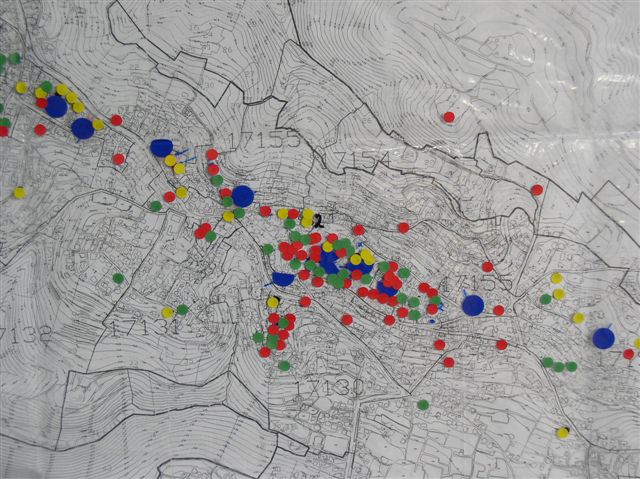
5. I am enclosing some stuff to wet the hands, including a map of a cancer cluster in Israel Mount Carmel, in the town of Usfie, and a closeup on center of town: Blue dots - high antennae, yello - 'regular' plus illegal radi stations, green - residence of ill, mostly with cancer, red- are the dead. All together are 189, mostly in town center (see attached) of which 85 died already:
http://www.buergerwelle.de/pdf/zamir_shalita_usfien_150099.jpg
http://www.buergerwelle.de/pdf/zamir_shalita_usfien_15008.jpg

6. I am enclosing Neil's 2 articles (2000, 2002) on safe levels, and answering all 'experts' and comittees that negate damage inflicted by radio emissions:
http://www.buergerwelle.de/pdf/zamir_shalita_cellularantenna_neil_cherryj3.htm
http://www.buergerwelle.de/pdf/zamir_shalita_cellularantenna_neil_cherryj4.htm

7. I am enclosing Sage's tables on injuries under "SAFE" ICNIRP guidelines:
http://www.wave-guide.org/library/studies.html

8. Enclosed are Hyland's excellent article:
http://www.buergerwelle.de/pdf/zamir_shalita_cellular_hylandmay2003.doc

9. I am enclosing a report showing how to measure, and refer to results (Curry et al 2003):
http://www.buergerwelle.de/pdf/zamir_shalita_cellular_kokomo_indiana.pdf


There is alot more. Some more stuff and advice how to deal with authorities, by request.

You asked for it, you got it...

All materials speak for themselves by their merit.

Best wishes,

Dr. Zamir Shalita Ph.D.

5
Dez
2004

logo

Omega-News

User Status

Du bist nicht angemeldet.

Suche


Archiv

Januar 2026
Mo
Di
Mi
Do
Fr
Sa
So


 1 
 2 
 3 
 4 
 5 
 6 
 7 
 8 
 9 
10
11
12
13
14
15
16
17
18
19
20
21
22
23
24
25
26
27
28
29
30
31


Aktuelle Beiträge

Wenn das Telefon krank...
http://groups.google.com/g roup/mobilfunk_newsletter/ t/6f73cb93cafc5207   htt p://omega.twoday.net/searc h?q=elektromagnetische+Str ahlen http://omega.twoday. net/search?q=Strahlenschut z https://omega.twoday.net/ search?q=elektrosensibel h ttp://omega.twoday.net/sea rch?q=Funkloch https://omeg a.twoday.net/search?q=Alzh eimer http://freepage.twod ay.net/search?q=Alzheimer https://omega.twoday.net/se arch?q=Joachim+Mutter
Starmail - 8. Apr, 08:39
Familie Lange aus Bonn...
http://twitter.com/WILABon n/status/97313783480574361 6
Starmail - 15. Mär, 14:10
Dänische Studie findet...
https://omega.twoday.net/st ories/3035537/ -------- HLV...
Starmail - 12. Mär, 22:48
Schwere Menschenrechtsverletzungen ...
Bitte schenken Sie uns Beachtung: Interessengemeinschaft...
Starmail - 12. Mär, 22:01
Effects of cellular phone...
http://www.buergerwelle.de /pdf/effects_of_cellular_p hone_emissions_on_sperm_mo tility_in_rats.htm [...
Starmail - 27. Nov, 11:08

Status

Online seit 7997 Tagen
Zuletzt aktualisiert: 8. Apr, 08:39

Credits